3 December 2008

Meningitis in Children


Meningitis is an infection in the nervous system. It can be caused by bacteria and virus or complication from neurosurgery, trauma, and infection in sinus or ears.

Meningococcal meningitis occurs in epidemic form and transmitted by droplet infection from nasopharyngeal sections. Viral meningitis is associated with viruses such as mumps, paramyxovirus, herpes virus, and enterovirus.

The diagnoses of meningitis is made by testing cerebrospinal fluid that shows increased pressure, cloudy, high of protein, and low glucose.

Signs and Symptoms:
  • There are no classic signs and symptoms. It depends on the type, child age, and duration of illness.
  • Vomiting and diarrhea
  • Fever, chills
  • Nuchal rigidity
  • Poor feeding or anorexia
  • Alter level of consciousness
  • Bulging anterior fontanel in infant
  • Muscle or joint pain
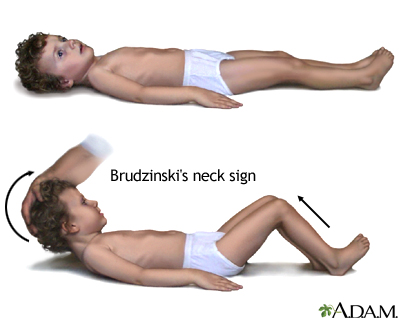
  • Kernig's sign and Brudzinski's sign


Nursing Intervention:
  • Isolation for at least 24 hours after antibiotic initiated
  • Administer antibiotics as prescribed
  • Assess neurological and cardiovascular system
  • Monitor intake and output

Reye's Syndrome


Reye's syndrome is acute encephalopathy follows a viral illness. It is characterized by cerebral edema and fatty changes in the liver. The disease is associated with administration of aspirin. The main goal of treatment is to maintain effective cerebral perfusion and control increasing Intra Cranial Pressure.


Signs and Symptoms:
  • History of viral illness 4-7 days before the onset of symptoms
  • Nausea and vomiting
  • Progressive neurological deterioration
  • Malaise
Nursing Intervention:
  • Assess and monitor neurological status
  • Monitor LOC and signs of increased ICP
  • Provide rest and decrease stimulation
  • Monitor intake and output
  • Monitor liver function
  • Monitor for signs of bleeding and impaired coagulation

Spina Bifida


Spina bifida is a defect in central nervous system. It occurs as a result from neural tube failure to close during embryonic development.

Type of Spina Bifida
1. Spina Bifida Occulta:
Posterior vertebral arches fail to close in the lumbosacral area. Spinal cord remains intact and usually is not visible. Meninges are not exposed on the skin surface and neurological deficit are not usually present.

2. Spina Bifida Cystica
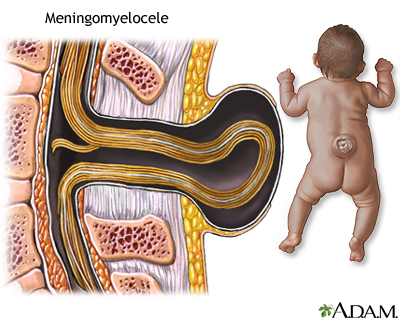
The vertebra and neural tube close incomplete resulting in a saclike protrusion in the lumbar or sacral area. The defect includes meningocele, myelomeningocele, lipomeningocele, and lipomeningomyelocele.

3. Meningocele
The protrusion involves meninges and a saclike cyst that contains CSF in the midline of the back. Spinal cord is not involved and neurological deficits are usually not present.

4. Myelomeningocel
The protrusion involves meninges, CSF, nerve roots, and spinal cord. The sac is covered by a thin membrane that is prone to leakage or rupture. Neurological deficit are evident.


Signs and Symptoms:

  • Visible spinal defect
  • Flaccid paralysis of the legs
  • Hip and joint deformities
  • Altered bladder and bowel function
  • Specific signs and symptoms depend on the spinal cord involvement

Nursing Intervention:
  • Assess the sac and measure the lesion
  • Assess neurological system
  • Assess and monitor for increasing ICP
  • Measure head circumferences
  • Protect the sac, cover with a sterile, moist (normal saline), nonadherent dressing and change the dressing every 2-4 hours
  • Place patient in prone position and head to one side
  • Use antiseptic technique
  • Assess and monitor the sac for redness, clear or purulent drainage, abrasions, irritation, and signs of infection
  • Assess for hip and joint deformities
  • Administer medication: antibiotics, anticholinergics, and laxatives as prescribed

29 November 2008

Hydrocephalus


Hydrocephalus is a condition marked by an excessive accumulation of cerebrospinal fluid resulting in dilation of the cerebral ventricles and raised intracranial pressure; may also result in enlargement of the cranium and atrophy of the brain.

There are two types of hydrocephalus: communicating and non-communicating.

Communicating Hydrocephalus:
  • It occurs as a result of impaired absorption within the subarachnoid space
  • Interference of the cerebrospinal fluid within the ventricular system does not occur

Non-communicating Hydrocephalus:
  • It is an obstruction of cerebrospinal flow within the ventricular system.

Signs and Symptoms Hydrocephalus in Infant:

  • Increased head circumference
  • Macewen’s sign: thin, widely separated bones of the head that produce a cracked-pot sound on percussion
  • Dilated scalp vein
  • Frontal bossing
  • Sunsetting eyes
  • Anterior fontanel tense, bulging, and non pulsating

Signs and Symptoms Hydrocephalus in Child:
  • Changes of behavior: irritability and lethargy
  • Nausea and vomiting
  • Headache on awakening
  • Ataxia
  • Nystagmus

Surgical Intervention:
Surgical intervention of Hydrocephalus is to prevent further CSF accumulation by bypassing the blockage and draining the fluid from the ventricles to a location where it can be reabsorbed. There are two types of surgical intervention: Ventriculoperitoneal Shunt and Atrioventricular Shunt.
  1. Ventriculoperitoneal Shunt: the CSF drains from the lateral ventricles into the peritoneal cavity.
  2. Atrioventricular Shunt: the CSF drains into the right atrium of the heart from the lateral ventricle, bypassing the obstruction. It is mostly used in older children and in children with pathological conditions of the abdomen.


Nursing Intervention (post-op)
  • Monitor and assess vital signs and neurological signs
  • Position client on the un-operated side to prevent pressure on the shunt valve
  • Keep the child flat: to avoid rapid reduction of intracranial fluid
  • Observe for increased ICP, if ICP is increased, elevate the head of the bed to 15-30 degrees
  • Monitor for signs of infections
  • Assess dressings for drainage
  • Monitor intake and output
  • Measure head circumference
  • Administer medications as prescribed
  • Teach parents how to recognize shunt infection and shunt malfunction

27 November 2008

Head Injury in Children

Head injury is pathological result of any mechanical force to the skull, scalp, meninges, or brain. The manifestations of head injury depend on the type of injury and the amount of increased intracranial pressure (ICP).


Sign and Symptoms of Head Injury:

Early Signs:
  • Headache
  • Nausea and vomiting
  • Visual disturbances and diplopia
  • Slight changes in vital signs
  • Dizziness or vertigo
  • Change in pupillary response and equality
  • Slight change in level of consciousness
  • Signs in infants: bulging fontanel, wide sutures, increased head circumference, high pitched cry, and dilated scalp vein
Late Signs:
  • Cushing’s triad: increased systolic blood pressure and widened pulse pressure, bradycardia, and irregular respiration
  • Significant decrease in level of consciousness
  • Decorticate posturing (see picture)
  • Decerebrate posturing (see picture)
  • Fixed and dilated pupils


Nursing Intervention in Head Injury:

  1. Monitor and assess the airway, breathing, and circulations
  2. Assess the injury and immobilize the neck if a cervical injury is suspected
  3. Monitor vital signs and neurological function
  4. Monitor level of consciousness
  5. Initiate seizure precaution
  6. Keep patient a nothing by mouth status until determined that vomiting will not occur
  7. Administer oxygen and intravenous fluid as prescribed
  8. Elevate the head of bed at 15-30 degrees if not contraindicated
  9. Keep head in midline position to facilitate venous drainage and avoid jugular vein compression
  10. Monitor for nose or ear drainage which could indicate leakage of cerebrospinal fluid (CSF) as a sign of skull fracture
  11. Avoid suctioning through the nares
  12. Administers acetaminophen (Tylenol) for headache, anticonvulsants for seizures, antibiotic, and tetanus toxoid as prescribed
  13. Monitor for signs of brainstem involvement: deep, rapid, or intermittent and gasping respirations; wide fluctuations or noticeable slowing of the pulse; widening pulse pressure or extreme fluctuations in blood pressure
  14. Monitor for epidural hematoma: asymmetric pupils

20 July 2008

Children's Fear of Hospitalization


Children's Reaction to Hospitalization may vary depend on child growth and development.

5 month – 3 years

Fear of separation from mother or usual caregiver.

Nursing Intervention:
Encourage rooming in and bring familiar object from home e.g. toys and blanket.


3-6 years
  • A toddler views hospitalization as punishment.
  • A school age or adolescent will fear of harm and mutilation

Nursing Intervention:

  • Kindly explain nursing procedure in simple terms and do not inform child of painful far in advance.
  • Nurse can demonstrate procedures with dolls.
  • Do not discourage crying and allow parents to be with child during painful procedures.
  • Nurse should be honest regarding pain experienced during procedures.

6-18 years

Separation from parents, peers and lost of control

Nursing Intervention:
  • Allow child to be visited by family and friends.
  • Allow child to use the telephone to maintain family and peer contact.
  • Give child choices when it is possible.
  • Explain procedures in simple terms.
  • Do not discourage child to cry.
  • Restrain can be applied for a procedure if necessary and tell that this will help him / her hold still.

7 July 2008

Immunization Schedule


Immunization is the process by which an individual's immune system becomes fortified against an agent (known as the immunogen).

Recommendations of immunization schedules are issued by the Center for Disease Control (CDC) and are subject to change. The schedule may vary from state to state, so please always check current recommendations of the CDS and your local board of health.

The current recommended routine administration of immunization licensed childhood vaccines as of December 2007 for children age ) through 6 years may be accessed HERE.
For adolescent and adult immunization schedule may be accessed HERE.


Just to be remembered for nurses giving immunization schedule that :

  • Moderate or severe acute illness, with or without fever, is a contraindication to immunization.
  • Previous severe reaction to the vaccine or any of its components is a contraindication to immunization
  • The common cold without fever is NOT a contraindication to immunization